Exploring Bee Att the White Flowers Insect Botanic: A Guide to Natural Beauty and Biodiversity
Bee Att the White Flowers Insect Botanic is a captivating and intricate subject that combines the beauty of nature with the essential role of bees in our ecosystem. This article delves into the significance of this topic, offering practical insights and solutions for those interested in enhancing their understanding and appreciation of the natural world.
Understanding Bee Att the White Flowers Insect Botanic
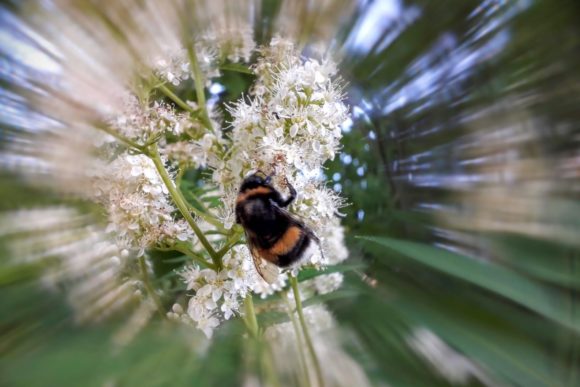
Bee Att the White Flowers Insect Botanic refers to the interaction between bees and white flowers, which is a crucial aspect of botanical and entomological studies. These interactions are not just visually appealing but also play a vital role in pollination, biodiversity, and the overall health of our environment.
The Importance of Bees and White Flowers
Bees are essential pollinators, and their relationship with white flowers is particularly significant. White flowers, often overlooked in favor of more colorful varieties, are a favorite among many bee species due to their high nectar content and visibility. This mutualistic relationship benefits both the bees and the plants, as bees receive nectar and pollen, while the flowers are effectively pollinated.
Challenges and Goals in Bee Att the White Flowers Insect Botanic
One of the primary challenges in Bee Att the White Flowers Insect Botanic is the decline in bee populations and the loss of natural habitats. Urbanization, pesticide use, and climate change have all contributed to these issues, making it more important than ever to understand and support the relationship between bees and white flowers.
Goals for those interested in this field include promoting biodiversity, supporting local ecosystems, and educating others about the importance of bees and white flowers. By fostering a deeper understanding of these interactions, we can work towards creating more sustainable and resilient environments.
Practical Applications and Outcomes
There are several practical ways to engage with Bee Att the White Flowers Insect Botanic. One effective approach is to create bee-friendly gardens or green spaces. By planting a variety of white flowers, such as daisies, chamomile, and lilies, you can provide a rich and diverse habitat for bees. This not only supports the local bee population but also enhances the aesthetic appeal of your garden.
Another practical application is to participate in citizen science projects. Many organizations and institutions offer opportunities for individuals to contribute to research on bee behavior and plant-pollinator interactions. These projects can help gather valuable data and raise awareness about the importance of conserving bees and their habitats.
Examples and Recommendations
For those looking to implement Bee Att the White Flowers Insect Botanic in their own lives, here are some specific recommendations:
- Plant a Diverse Range of White Flowers: Choose a mix of native and non-invasive species to ensure a continuous supply of nectar and pollen throughout the growing season.
- Avoid Pesticides: Opt for organic and natural pest control methods to protect bees and other beneficial insects.
- Provide Nesting Sites: Create or purchase bee hotels and nesting blocks to provide safe and suitable habitats for solitary bees.
- Educate and Engage Others: Share your knowledge and experiences with friends, family, and community members to inspire a broader movement towards bee conservation.
How Different Users May Approach the Topic
Different users may approach Bee Att the White Flowers Insect Botanic in various ways, depending on their interests and goals. For example:
- Gardeners and Landscapers: Can focus on designing and maintaining bee-friendly gardens, incorporating a wide range of white flowers and other pollinator-friendly plants.
- Conservationists and Environmentalists: May prioritize habitat restoration and the protection of natural areas, working to create larger, interconnected ecosystems that support diverse bee populations.
- Researchers and Scientists: Can conduct studies and experiments to better understand the specific relationships between different bee species and white flowers, contributing to the broader field of entomology and botany.
- Educators and Community Leaders: Can develop educational programs and initiatives to raise awareness about the importance of bees and white flowers, encouraging community involvement and action.
Conclusion
Bee Att the White Flowers Insect Botanic is a fascinating and essential topic that offers numerous opportunities for engagement and positive impact. By understanding and supporting the relationship between bees and white flowers, we can contribute to the health and resilience of our natural world. Whether through gardening, research, education, or community involvement, there are many ways to make a difference and support these vital pollinators.